Demand
Urban housing, hospitality, industrial facilities and infrastructure continue to generate demand, but purchasing decisions are becoming more project-specific.

Vietnam’s construction market is expanding across housing, hospitality, industrial facilities and urban infrastructure. But growth alone does not make every product market-ready. Mingtang Bridge examines where demand, regulation, specification practice and local delivery capability actually meet.

Four forces are reshaping how building products are selected, approved and delivered in Vietnam.
Urban housing, hospitality, industrial facilities and infrastructure continue to generate demand, but purchasing decisions are becoming more project-specific.
Material-price volatility is putting pressure on contractors and developers. Products must demonstrate total installed value—not simply a lower factory price.
Tropical heat, humidity, coastal exposure and intensive building use make local performance evidence essential.
Energy performance, product quality, traceability and environmental information are becoming more important in specification and procurement.
The ranking evaluates whether Chinese supply capability can be translated into a product that Vietnamese developers, designers, contractors and distributors can approve, deliver and support.
Modular kitchens, cabinets, doors, partitions and coordinated interior packages can compete where design flexibility is supported by repeatable production and clear installation documentation.
Smart toilets and integrated bathroom products have opportunities in premium residential, hospitality and renovation projects—provided safety, local water conditions and servicing are resolved.
Mattresses, bed systems and hospitality furniture can enter through hotel sample-room approval, operator standards and dependable replacement programmes.
Glass, insulation, façade and shading products will increasingly compete through thermal data, durability and energy-performance evidence.
Products supported by credible emissions, recycled-content and lifecycle documentation may gain earlier access to green-certified and institutional projects.
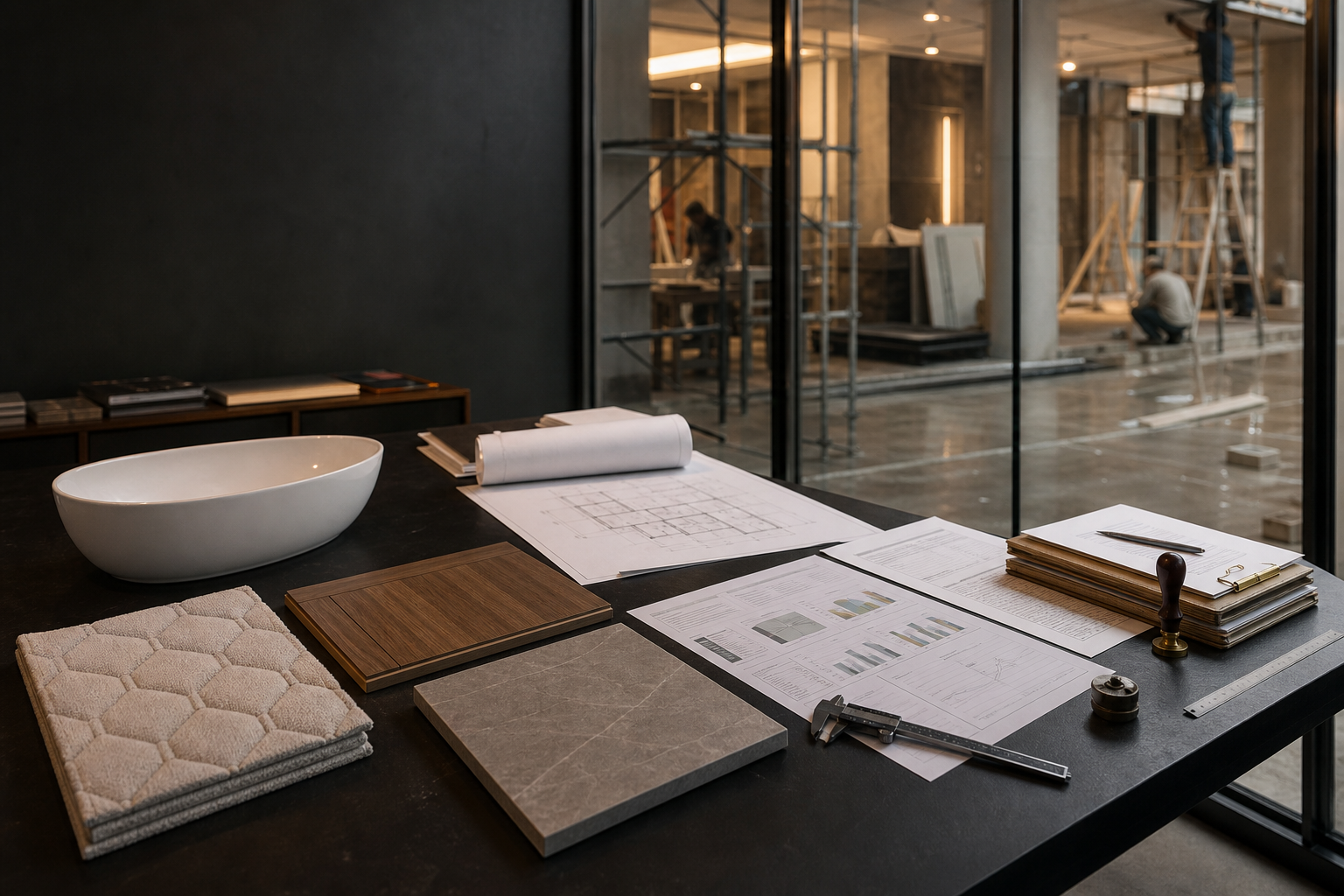
Chinese brands often enter with a catalogue and a price list. Vietnamese projects usually require a coordinated approval package: drawings, samples, test reports, installation details, delivery commitments and a clearly identified local service party.
Policy, investment, project demand and structural changes shaping Vietnam’s built environment.
OPEN PAGE →02Product-by-product analysis of demand, buyers, specifications, price logic and entry barriers.
OPEN PAGE →03A practical route from market screening and product adaptation to pilot projects and local delivery.
OPEN PAGE →04Downloadable research briefs built around specific sectors, cities, project types and procurement questions.
OPEN PAGE →05Timely updates on product quality, energy performance, import documentation and construction-material regulation.
OPEN PAGE →Submit one product category. We will review its buyer fit, technical evidence, likely approval path and the first questions that must be answered before market entry.
Initial screening does not guarantee distribution, project approval or sales.