
Vietnam’s building-material market combines strong demand from housing, hospitality, industrial and infrastructure projects with cautious procurement, volatile input costs and a higher threshold for technical evidence. Developers increasingly compare lifecycle value, energy performance and delivery responsibility—not price alone.
FOUNDING 10 / 05
INDUSTRY PERSPECTIVE
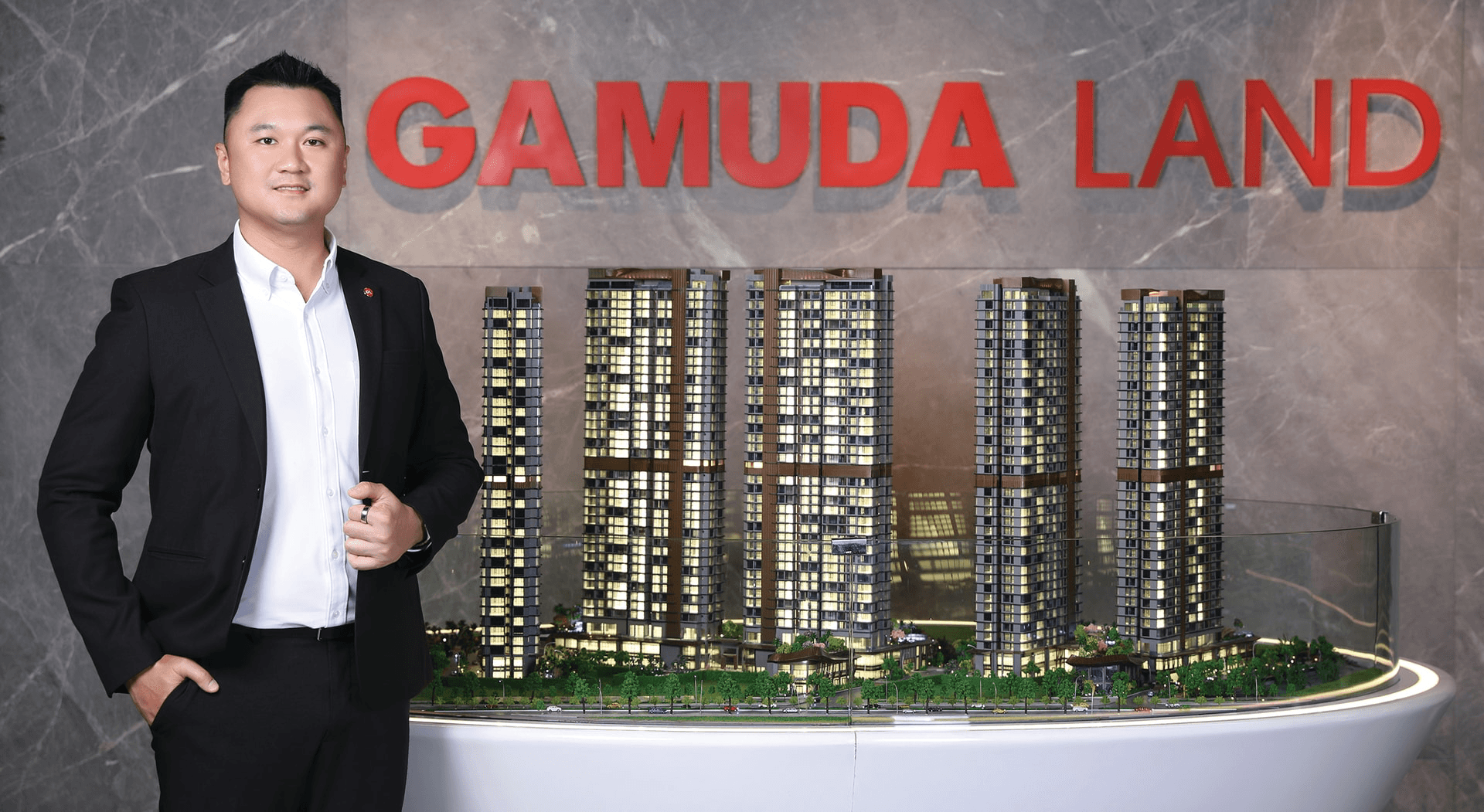
James Lai Siaw Pin
General Director, Northern Region
Gamuda Land Vietnam
Sustainable township development
A 15-minute city begins with a five-minute walk.
An industry perspective drawing on Gamuda Land’s public comments on Hai Phong, sustainable communities and the expectations of a new urban generation.
A market moving from price
toward proof.
The next phase will favour products with energy labels, carbon and material data, climate-tested performance, traceable quality control and a credible Vietnam after-sales system. Green materials are moving from optional positioning toward a measurable procurement requirement.
Sustainable townships need envelope, water, shading, landscape and community products that work as integrated systems.
Suppliers must connect claims to measurable project outcomes and provide northern Vietnam service coverage.
Two issues worth
working through.
Product claim to project metric
Model the product against energy, water or carbon baselines and verify it in the project mock-up.
Serving Hai Phong
Qualify a northern installer, stock service parts and define an accountable response radius.
Work, role and contribution.
Gamuda Land identifies James Lai as General Director for its Northern Vietnam region.
The company connects its Hai Phong strategy with industrial growth and limited quality housing supply.
Its public commentary emphasises integrated amenities, green space and the 15-minute city model.
15-minute communities
Hai Phong growth
Sustainable planning
New buyer expectations
Questions designed
to reveal the work.
Why Hai Phong, and why now?
Industrial momentum creates jobs, mobility and housing demand, while the supply of well-planned residential environments remains selective. That gap rewards developers who can think beyond the individual building.
What does “15-minute city” mean in practice?
It means daily life should feel easier: green space, exercise, services and social connection are within a comfortable routine. The phrase only matters if the master plan delivers it.
How are buyer expectations changing?
Buyers increasingly evaluate function, wellness, flexibility and community—not only finishes. They compare the total living experience.
What should material suppliers demonstrate?
Products should support climate response, durability and maintainability. Sustainability claims must translate into measurable project performance.