
Vietnam’s building-material market combines strong demand from housing, hospitality, industrial and infrastructure projects with cautious procurement, volatile input costs and a higher threshold for technical evidence. Developers increasingly compare lifecycle value, energy performance and delivery responsibility—not price alone.
FOUNDING 10 / 04
INDUSTRY PERSPECTIVE
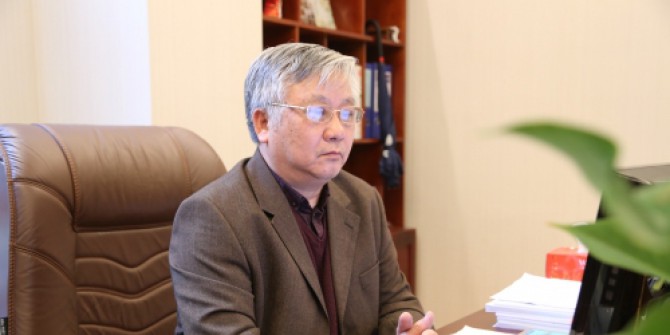
Dao Ngoc Thanh
Leadership figure associated with Ecopark’s founding development philosophy
Ecopark
Green urban communities
Measure a city by the lights in its windows.
An industry perspective on Ecopark’s green-city philosophy, community formation and the patience required to make landscape a form of infrastructure.
A market moving from price
toward proof.
The next phase will favour products with energy labels, carbon and material data, climate-tested performance, traceable quality control and a credible Vietnam after-sales system. Green materials are moving from optional positioning toward a measurable procurement requirement.
Green townships need durable outdoor products, low-energy lighting, healthy interiors and thermal-comfort solutions.
Products must withstand heat, humidity, rainfall and intensive public use while supporting the community—not acting as isolated gadgets.
Two issues worth
working through.
Tropical outdoor performance
Test UV, corrosion, slip, drainage and maintenance through a monitored site mock-up.
Healthy interiors at scale
Coordinate low-VOC boards, coatings and adhesives, then measure one pilot apartment before wider adoption.
Work, role and contribution.
Ecopark’s official history traces the project to Vihajico’s mission to create a functional ecological township.
The company describes more than two decades of development and a wider sustainable-development ambition.
The official Ecopark site attributes a resident-centred philosophy to Dao Ngoc Thanh.
Green-city philosophy
Community formation
Landscape infrastructure
Long-term stewardship
Questions designed
to reveal the work.
Why is landscape more than an amenity?
Landscape changes movement, temperature, social contact and the identity of a place. When it is treated as infrastructure, it shapes daily behaviour rather than decorating a brochure.
How is a community different from a housing project?
A community develops routines, relationships and reasons to stay. The developer must plan for schools, services, culture and public life—not only handover.
What should overseas brands learn from this?
Products enter a larger living system. They should support durability, comfort and the character of the place rather than compete for isolated attention.
What is the long-term test?
Whether the city remains cared for, adaptable and socially useful after the first generation of buyers arrives.